


Efficient & affordable transportation
Rome offers a well-connected public transportation system, including buses, trams, and metro lines. A single ticket costs approximately €1.50, and multi-day passes are available—making it convenient and budget-friendly for visitors.
While public transport is ideal for covering longer distances, walking is often the best way to explore the city’s historic center. Taxis and ride-sharing apps are also widely available for added flexibility.
For route search and ticket information, search https://www.atac.roma.it/en.
Safety and security
Rome is generally a safe city for visitors. However, as in many major tourist destinations, pickpocketing can occur—especially in crowded areas such as the Colosseum, the Vatican, and on public transport. Stay alert, keep your belongings close, and consider using a money belt or anti-theft bag for added security.
We recommend following the same basic safety precautions you would take when traveling anywhere else:
- Store your travel documents in the hotel safe;
- Carry the hotel’s address with you when you go out;
- Never leave personal belongings (bags, phones, etc.) unattended.
Weather & clothing
Rome in late May typically enjoys pleasant spring weather, with daytime temperatures ranging between 20°C and 26°C (68–79°F). Sunny days are common, although occasional showers are possible.
We recommend packing light, breathable clothing, along with sunscreen and sunglasses to stay comfortable during the day. Comfortable walking shoes are essential, especially for navigating the city’s cobblestone streets.
Evenings can be cooler, so bringing a light jacket or sweater is advisable.
Currency
The currency in Rome is the Euro (€). Credit cards are widely accepted, but it’s advisable to carry some cash for small purchases or when visiting less touristy areas.
Time zone
Italy follows Central European Time (CET). During standard time — from early autumn to late winter — the country operates on UTC+1, which is one hour ahead of Greenwich Mean Time (GMT).
In early spring, Italy switches to daylight saving time (UTC+2), with clocks moving forward by one hour to make better use of daylight in the late afternoon and evening.
Language
The official language of Rome is Italian. While English is commonly spoken in tourist areas, learning a few basic Italian phrases can be helpful and is often appreciated by locals.
Electricity
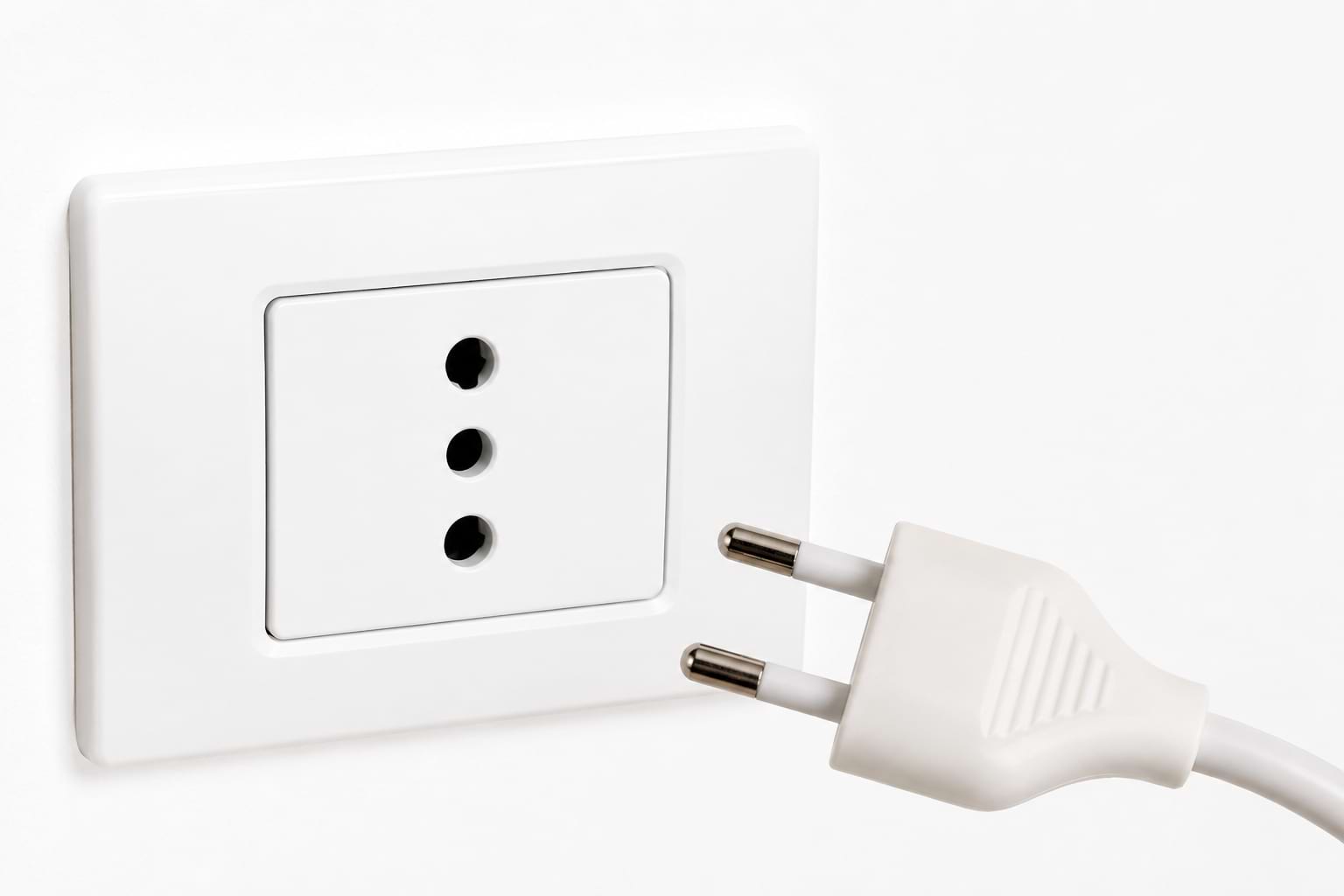
Italy uses a 230V supply voltage at a frequency of 50Hz. Power plugs are typically the two round-pin types (Type C, F, or L). Travelers may need a plug adapter if their devices use a different type.
Getting around Rome
For longer distances, Rome has an extensive public transport system, including buses, trams, and metro lines (A, B, and C). A single ticket costs around EUR 1.50, and you can also purchase day or multi-day passes for unlimited travel.
Rome’s metro system has three lines that connect many key tourist destinations and provide quick access to various parts of the city, including the historic center.
Rome’s extensive bus network complements the metro and covers areas that are not accessible by train. It’s a great way to reach more remote parts of the city or specific landmarks.
Rome also has a tram system, which is especially useful in certain neighborhoods. Trams are an efficient way to travel short distances within the city and often offer a scenic route through various parts of town.
Taxis are available, but be aware that fares can add up. Alternatively, ride-sharing apps like Uber also operate in the city.
Rome telephone country code
- Country code for Rome: +39
- International outgoing code: 00
Emergency numbers in Rome
- Single Emergency Number: 112
- Police: 112
- Ambulance: 118
- Fire Service: 115